



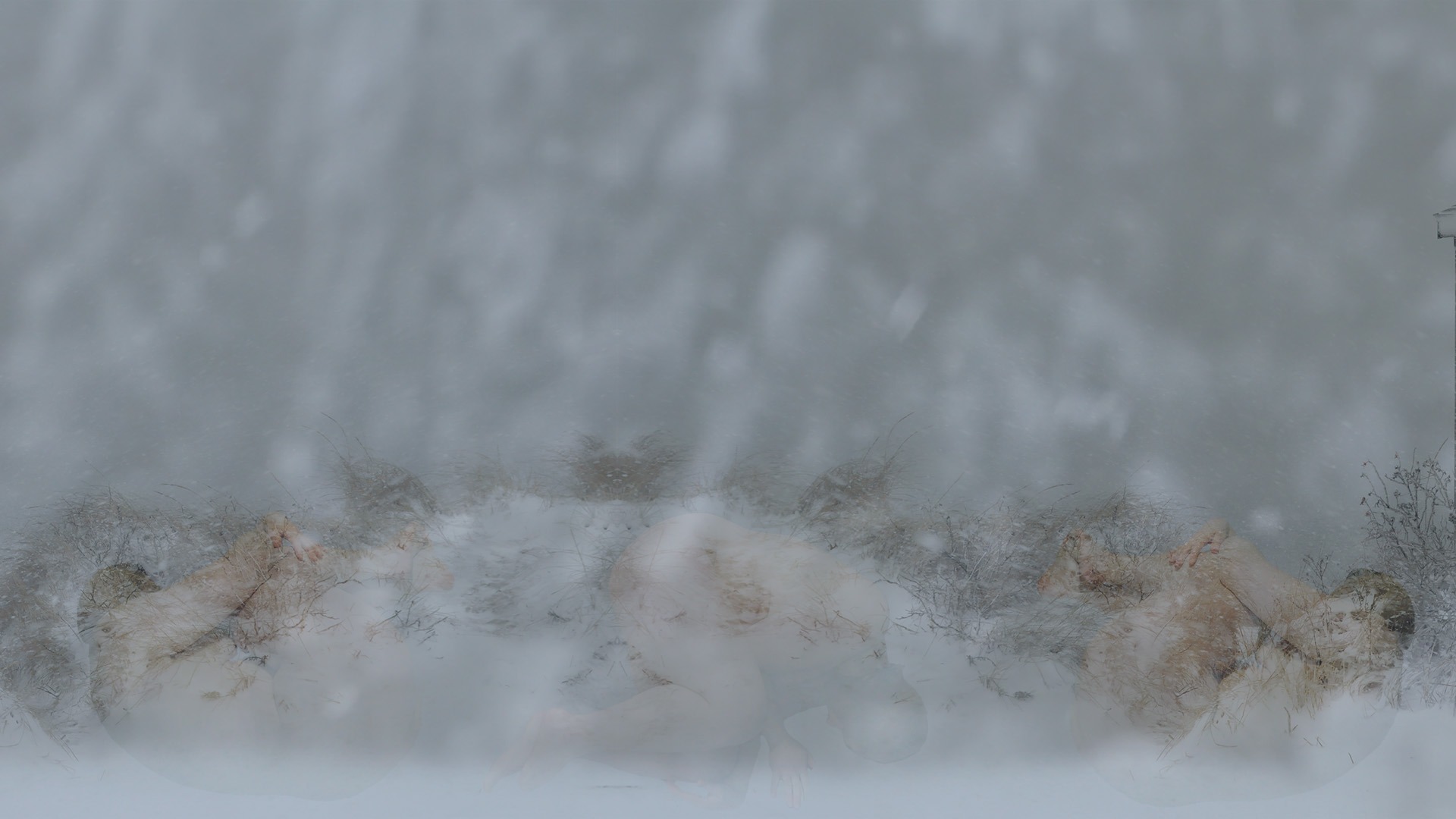
Imagoglosia somos
o ¿qué puede reemplazar un objeto ausente?
Nadie llega solo a ningún lugar. Sea donde fuere que te toque apoyar tu valija de viaje y descansar, aflorará ese sentimiento extraño de una falta insaldable, una ausencia descomunal. Revisarás tus bolsillos, buscarás unas palabras apropiadas para nombrar lo que sientes, pero no las encontrarás. Para reconfortarte, abrirás los álbumes de fotos, reconocerás los objetos, a las personas, pero eso no te aliviará. “Toská” es así, ella quema, congela, calla, corre, se persigna, se burla, reza, maldice, es despiadada y santa, es la yuxtaposición de tus vivencias más las vivencias de otros que sedimentaron encima de las tuyas. ¿Por qué añorar sino un muelle sobre un río de un pueblo en el que nunca estuviste? ¿O llorar por esa casa de adobe con el aljibe sin agua entre el ciruelo y el manzano, descascarada, consumiéndose en llamas en plena noche de invierno en una aldea donde ya no vivía nadie?, una casa narrada que arde siempre en presente continuo, pero la voz de quien la narró se convirtió en tu “toská”, un pasado activo, un pasado también en presente continuo.
Cuando partí, recorrí por última vez la ciudad oxidada y sumida en coma inducido por la desocupación, después la estepa congelada e inhóspita, entré en una iglesia y prendí una vela y era lo más cálido y brillante que tuve entre las manos en mucho tiempo y juré no extrañar, y más que jurar era un ruego. “Toská” es despiadada, te lo dije.
Acceso a la obra
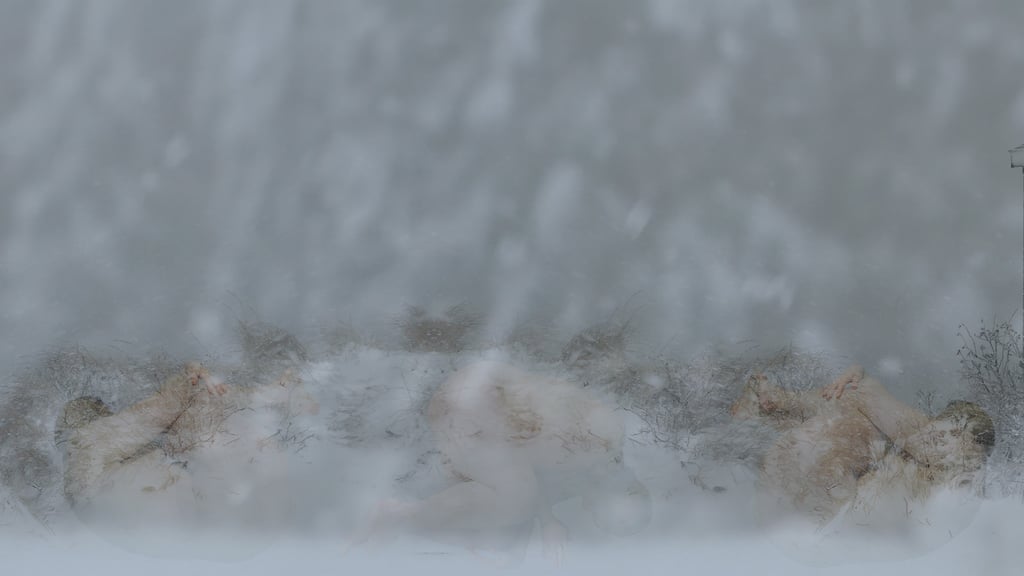
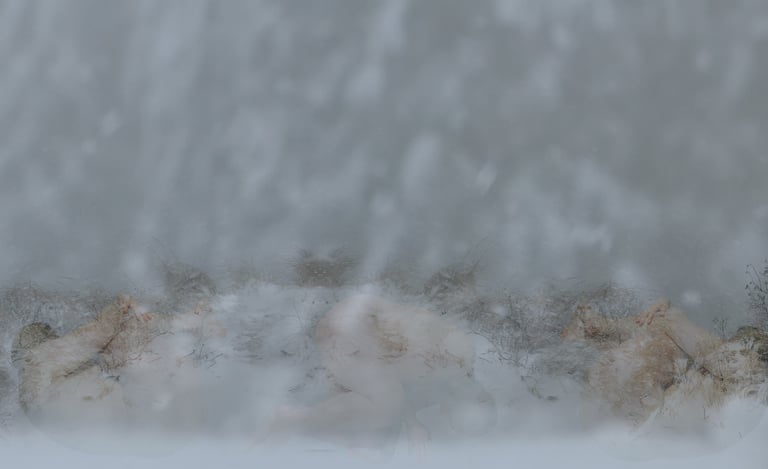
Video-arte proyectado sobre la pared (reproducción en bucle): https://youtu.be/N3bVKzxNM8Y
Sonido de la caja a través de los auriculares (reproducción en bucle): https://youtu.be/39HwsC_Rq8Y
Registro visual del interior de la caja (sin sonido): https://youtu.be/cnrq491rtTk
Registro de la instalación (la proyección del video-arte y la caja sonora): https://youtube.com/shorts/TQ6OYoIQ_hs
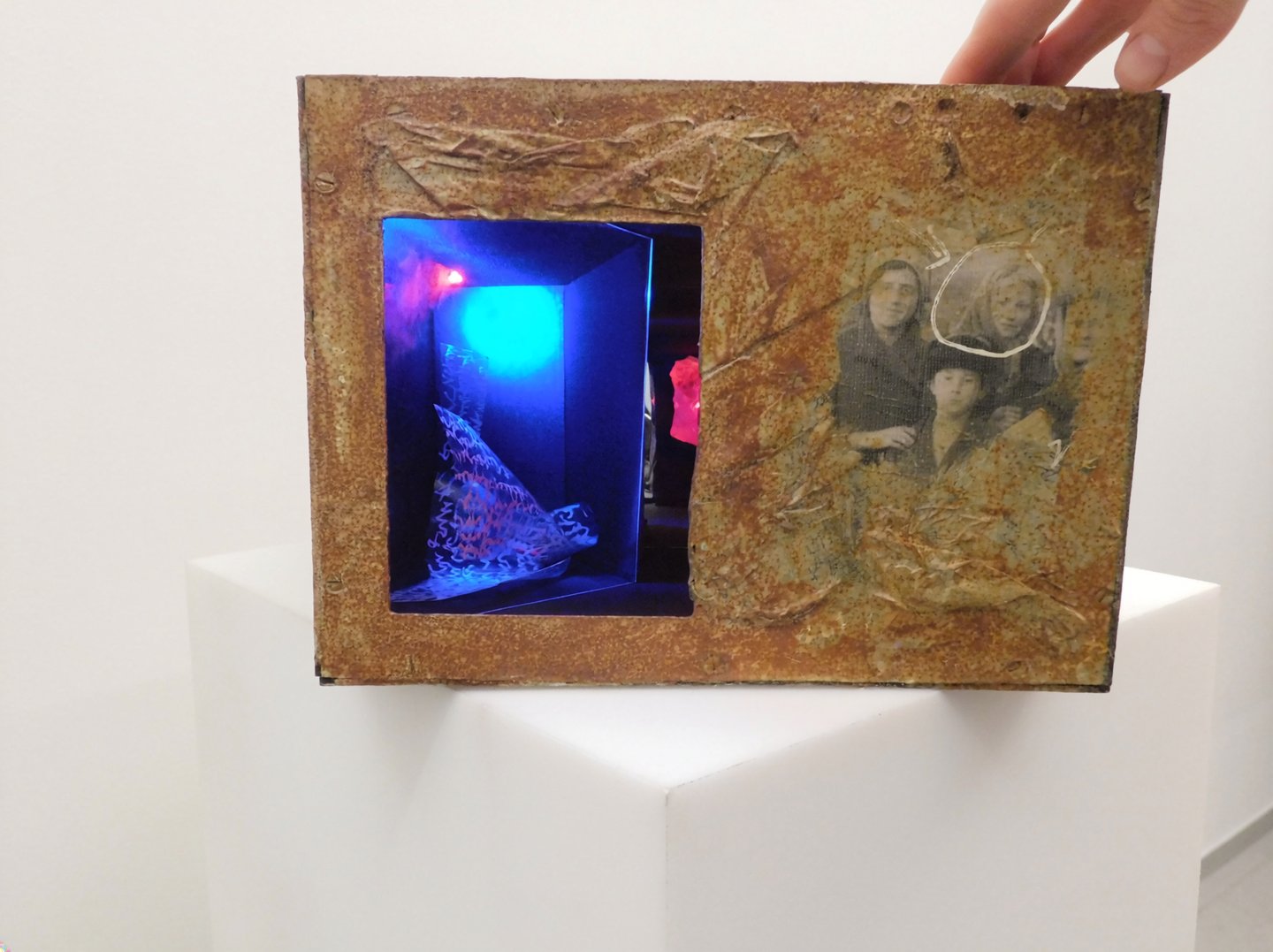
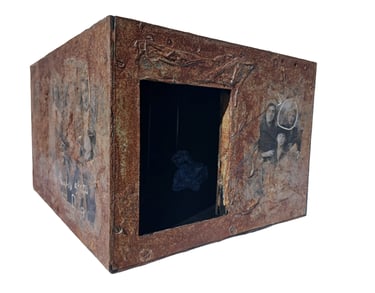
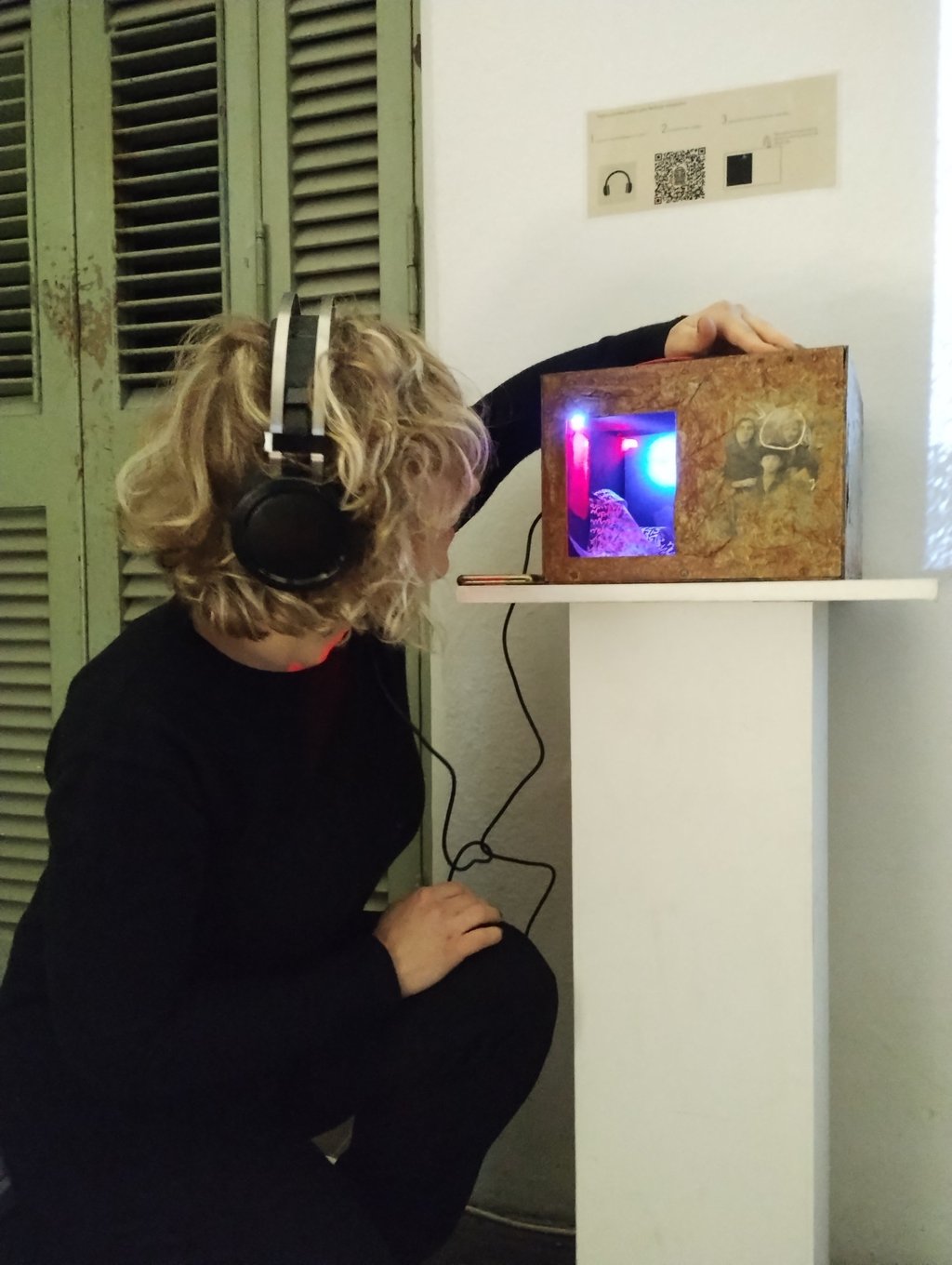
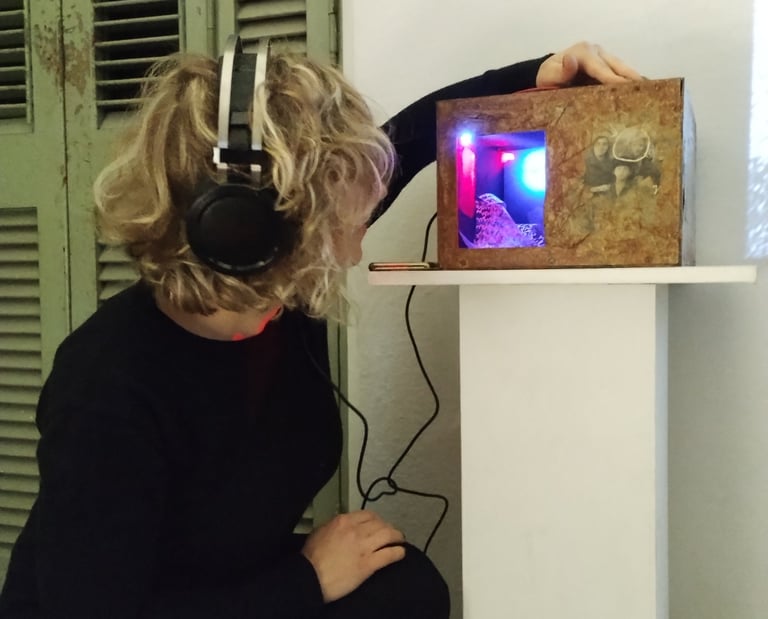
La instalación visual-sonora explora el sentimiento “toská”. La videoproyección sobre una pared representa las operaciones mentales a la hora de dar con la palabra para designar una emoción irreconosible; al lado, en semipenumbra, la caja-dispositivo sonora —que representa la introspección— a la que se accede de manera individual activando dos luces y escuchando lo sonoro a través de los auriculares. Los dos compartimentos de la caja representan el presente y la fuerza de la memoria colectiva que precede al sujeto y lo constituye como tal.


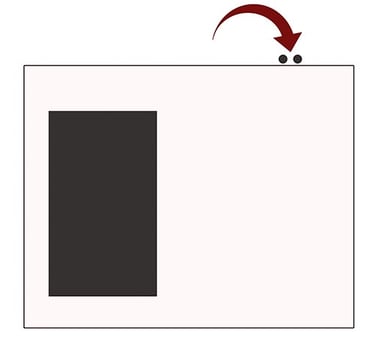
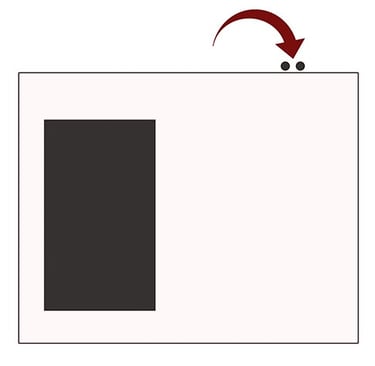
1. acercarse a la instalación
2. ponerse los auriculares dispuestos al lado de la caja
3. activar las luces durante la experiencia sonoro-visual
El dispositivo-caja fue construido con la técnica de “Pepper’s Ghost”, juguete óptico del siglo XIX.
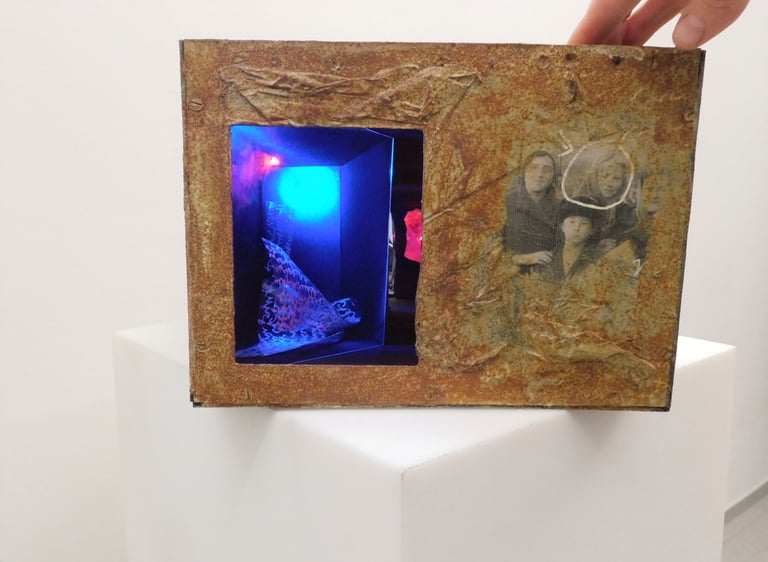
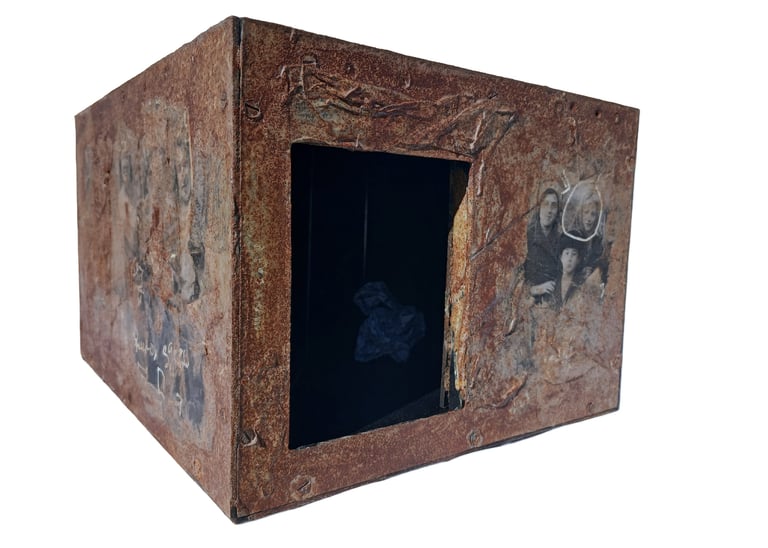
La materialidad | La caja contiene dos compartimentos separados y unidos a la vez, y cada espacio está signado por una iluminación específica: el tono cálido para la fuerza de la memoria colectiva que precede al sujeto y lo constituye como tal; y el tono frío, para el cuerpo presente, representado a su vez por una materia flexible, translúcida que remite al concepto de la modernidad líquida de Z. Bauman. En el compartimento de la luz cálida, además de la imagen reflejada en un espejo, está una carta hecha un bollo, que puede ser una caja enviada y no recbida, o una carta pensada, pero no escrita.
El espejo refleja una imagen que se refleja a su vez en el compartimento de al lado, donde bajo una luz fría yace un plástico escrito. El diálogo entre los dos compartimentos se produce mediante la activación de las dos luces instaladas sobre la tapa de la caja. Si una de las luces internas está apagada, el espacio iluminado permanece en silencio a la espera de un intercambio sensorial.
La sonoridad | El acceso al sonido especialmente diseñado para acompañar la caja se produce mediante los auriculares, dispuestos al lado de la caja. La reproducción sonora es contínua mediante un dispositivo escondido detrás de la caja y enchufado a la pared.
El público | La cercanía es clave para mirar el contenido de la caja de manera individual. Y la semipenumbra requerida recrea un momento de intimidad e introspección.
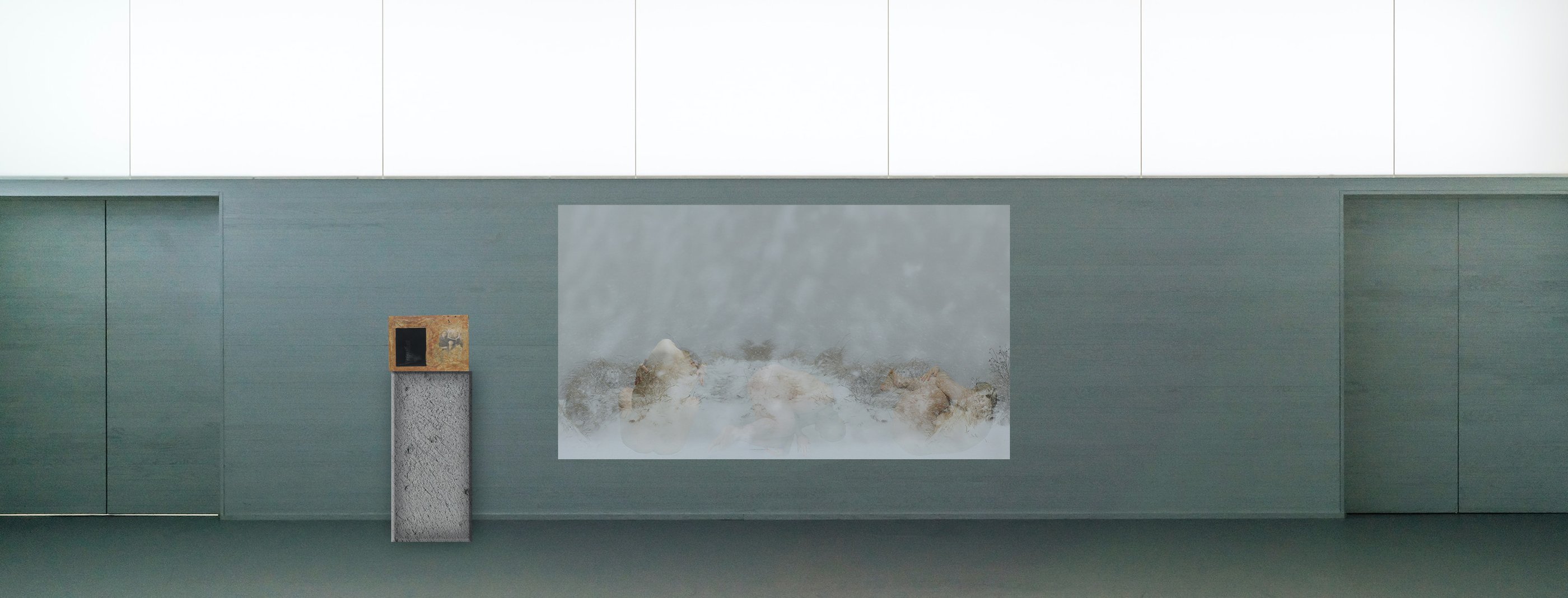
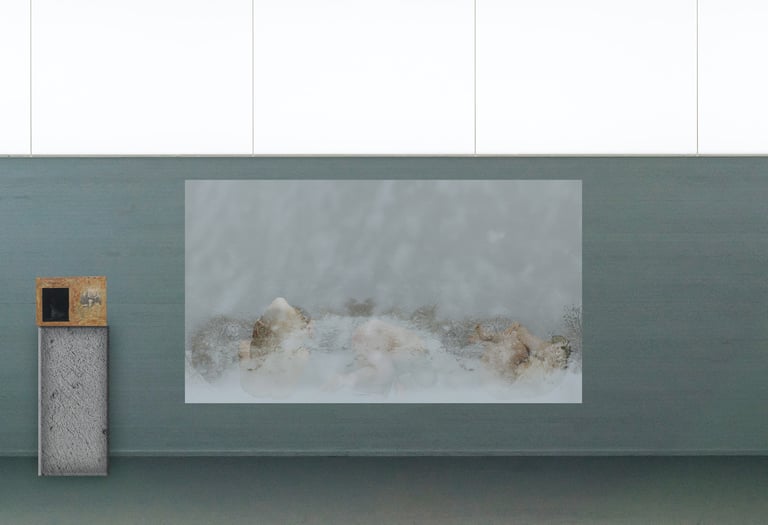
El espacio que alojará la instalación tiene que estar con una luz ténue, a semi oscuras, y la caja-dispositivo tiene que estar sobre un soporte de aproximadamente 110 cm de altura contra la pared, al lado de la videoproyección.
Soporte para la caja-dispositivo sonora | dimensiones (sugerencia)
altura: 110 cm
base: 50 cm x 60 cm
Caja-dispositivo | dimensiones
altura: 18, 5 cm
ancho: 25 cm
profundidad: 30 cm
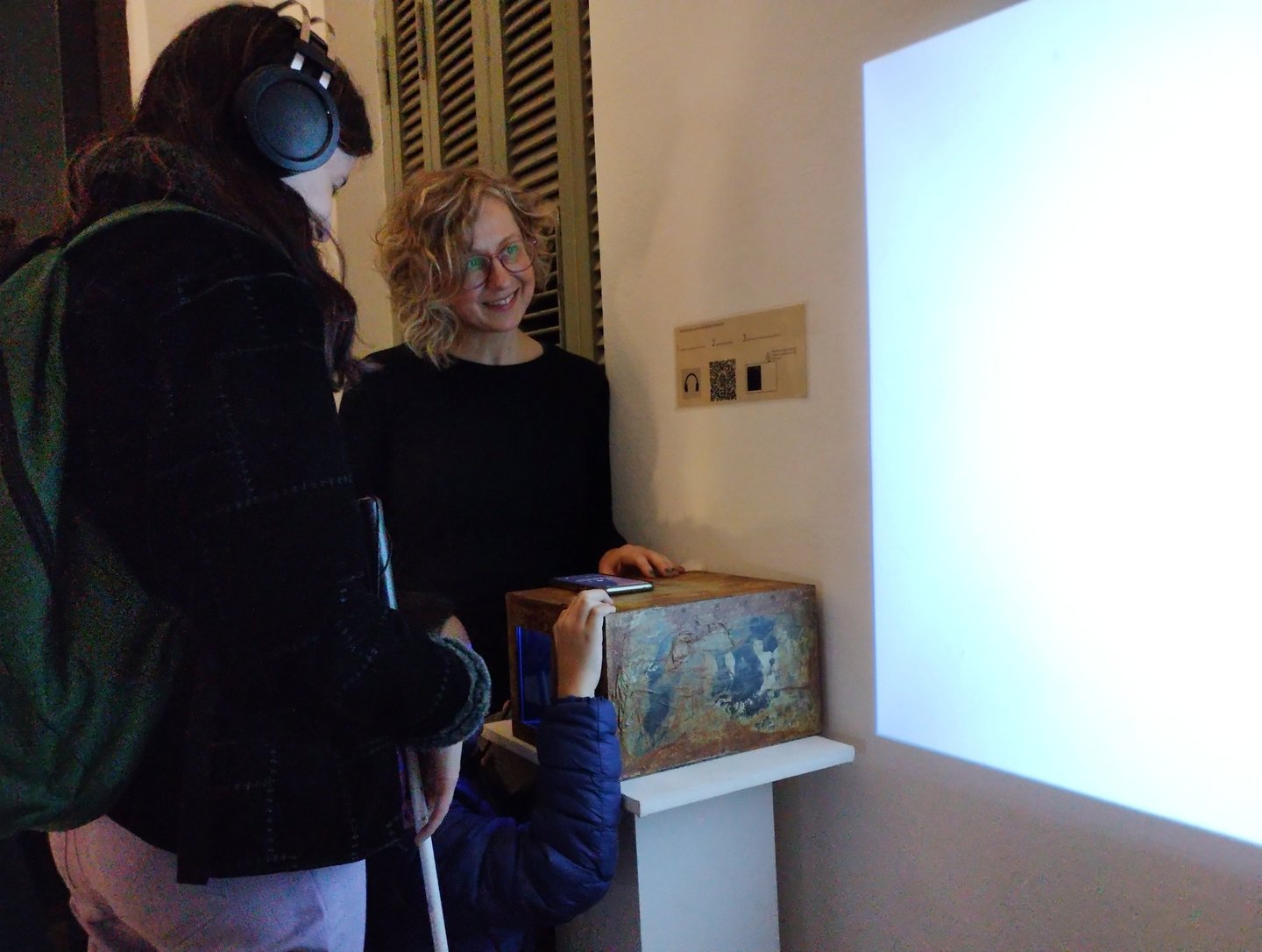
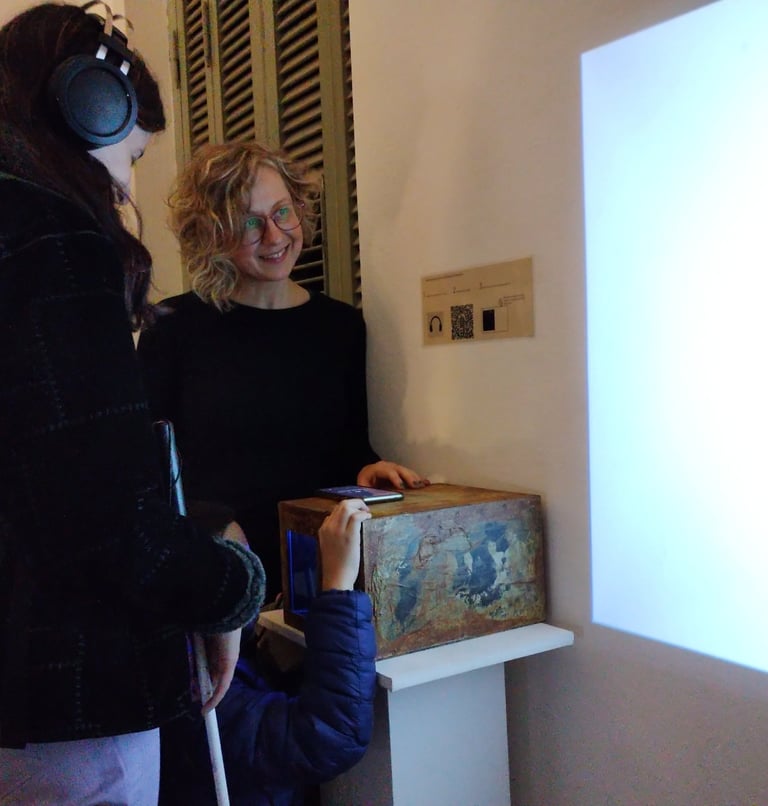
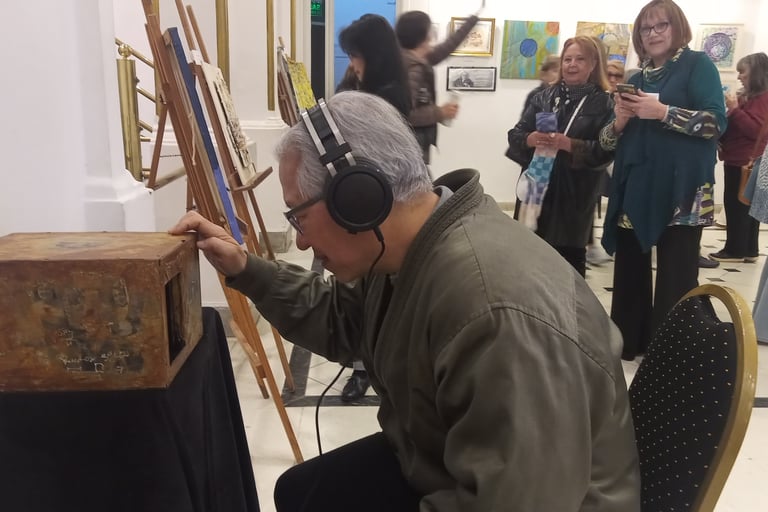
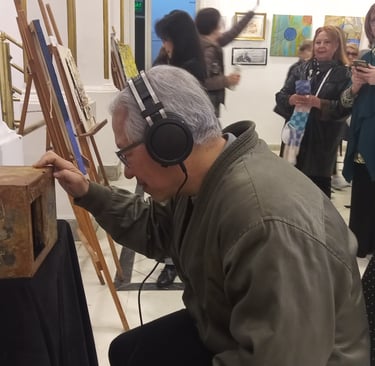
registros de los espacios que alojaron la obra:
Galería Umbral, abril 2024 (izq.)
Asociación Italiana de Socorros Mutuos de Belgrano, septiembre 2024 (abajo)